.png)
Planning Permission for Portable Cabins: UK Rules Explained & How to Apply
If you’re considering adding a portable cabin to your site, you’re probably wondering whether you need planning permission to do so. The answer depends on several factors, including the size of the building, how it will be used, where it will be located and how long it will remain on site.
Portable cabins are a flexible, cost-effective solution that’s widely used in businesses, schools, construction sites and commercial premises across the UK. However, before you decide to install one, it’s important to understand the planning rules that may apply.
In this guide, we’ll break down everything you need to know about planning permission for portable cabins in the UK, including when permission is required, common exemptions and how to apply for permission.
What Is a Portable Cabin?
A portable cabin is a prefabricated, moveable modular structure that’s designed for temporary or permanent use. They’re commonly used as site offices, commercial offices, classrooms, welfare units or storage facilities.
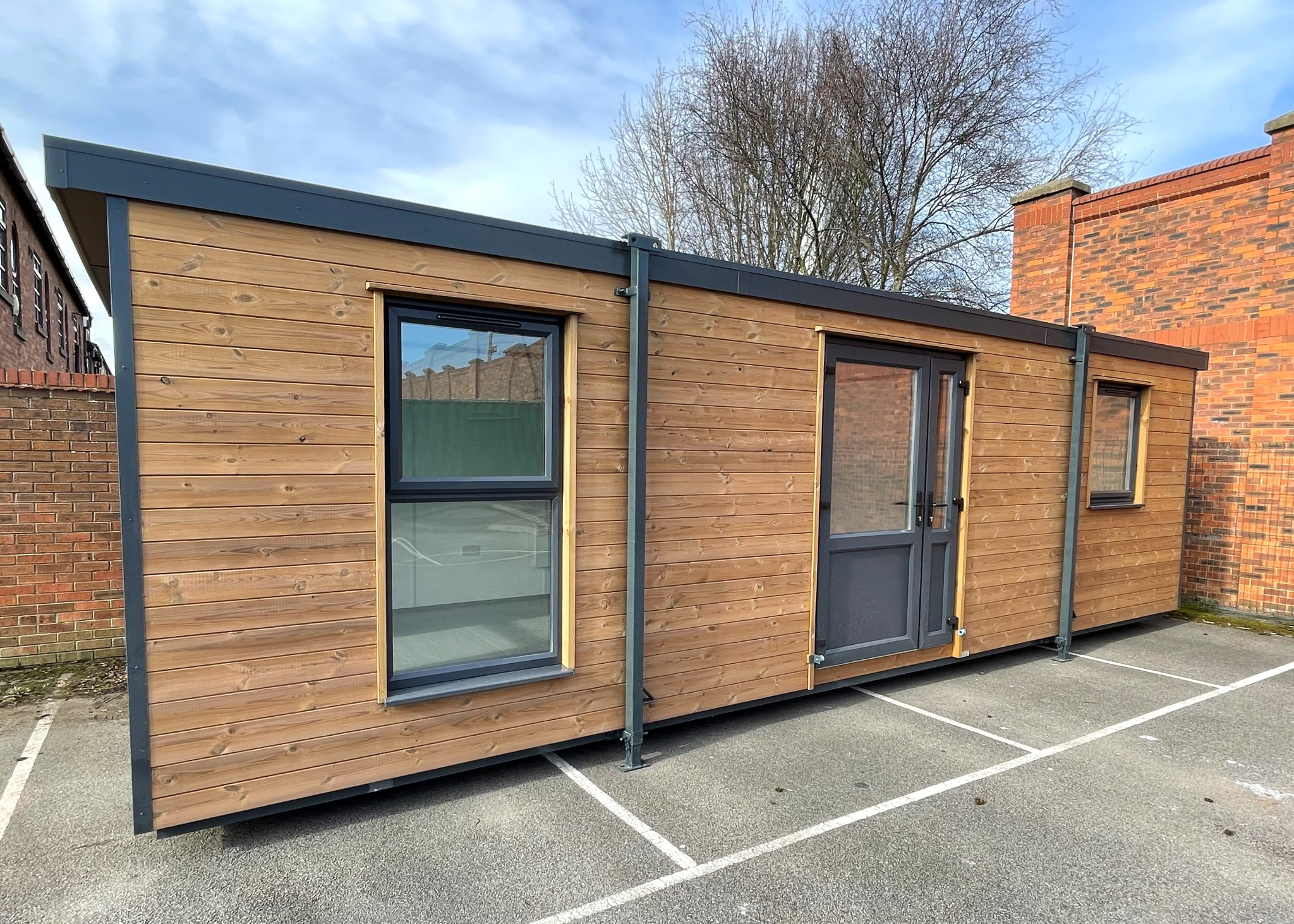
They’re built with durable materials and have flexible layouts, ensuring they can be with you for the long run.
At Flex Modular Buildings, our portable cabins are designed to provide practical, high-quality space solutions that can be tailored to suit your exact requirements. Browse our range of portable cabins to find the right solution for your project.
Do You Need Planning Permission for a Portable Cabin?
In many cases, yes. However, there are situations where planning permission may not be required.
There are several factors that influence whether you’ll need permission, including the intended use of the cabin, its size and placement, and the duration it will remain on the site.
For example, if you intend to use your cabin for commercial purposes or it will remain in place for an extended period, planning permission is more likely to be required.
When Planning Permission Is Usually Required
Planning permission for a portable cabin is typically required in the following situations:
Long-Term or Permanent Installation
If you’d like your portable cabin to remain on site for over 28 days, whether that’s several years or permanently, you’ll need planning permission.
Commercial or Residential Use
Any portable cabin that’s intended for commercial trading, education, or public access will require a full application to your council to assess its suitability, impact, and compliance with building regulations.
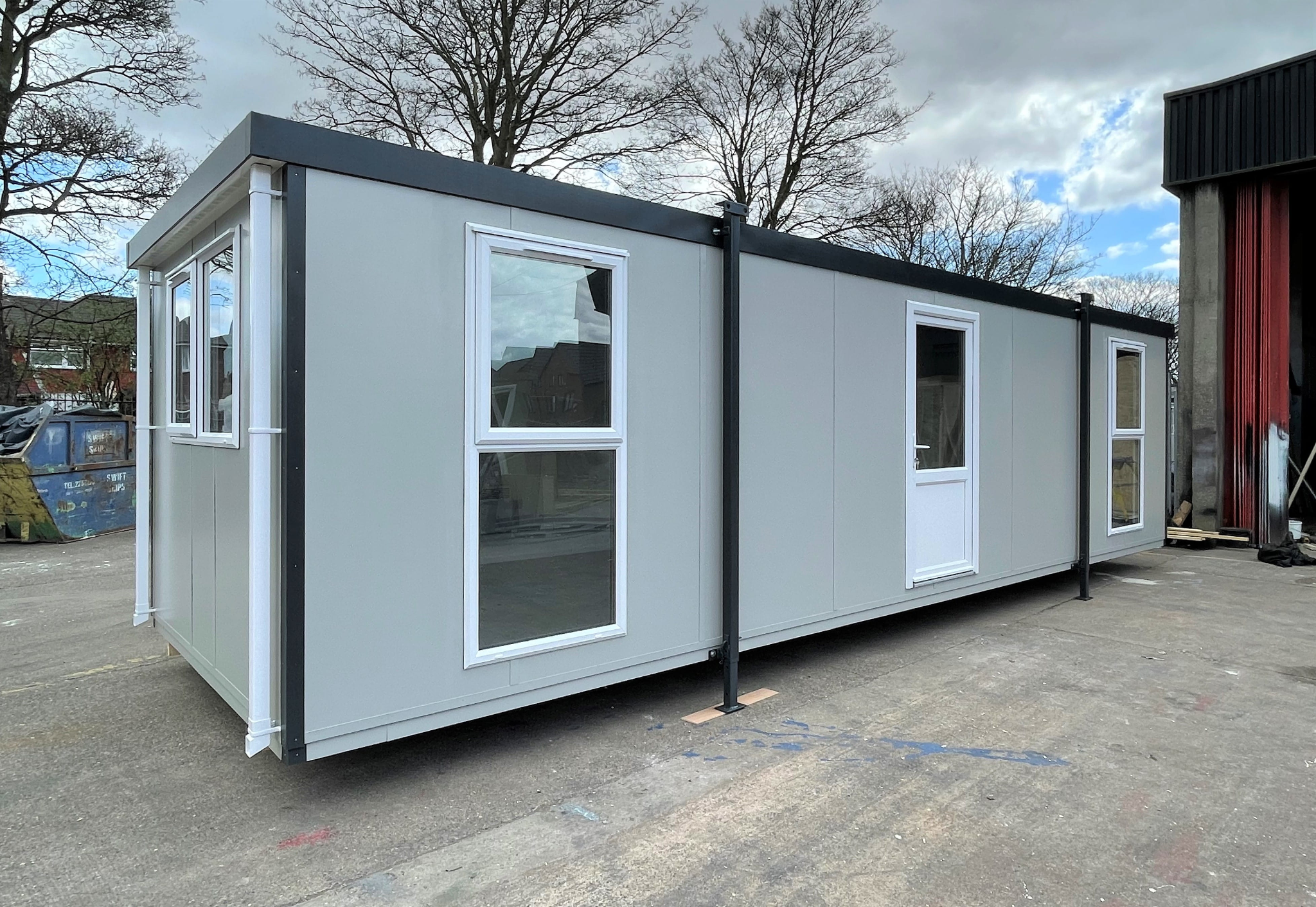
Additionally, if you’d like to add a portable cabin as an extra living space, such as for a home office or guest cabin, you will require planning permission.
Larger Cabins
Larger buildings, specifically those that exceed a 30m² floor area or 4m height, need planning permission because they impact the environment.
Protected Land
Council regulations are stricter in protected areas, often limiting what can be built or where it can be positioned.
If your cabin sits within a conservation area, Green Belt land or an Area of Outstanding Natural Beauty, a Site of Special Scientific Interest (SSSI), or a flood risk zone, you will need to apply for consent.
When Planning Permission May Not Be Required
In some situations, portable cabins can be installed without formal planning permission under permitted development rights (PDRs).
However, this only applies when specific conditions are met, such as:
- Temporary Use: The cabin is intended to be used for less than 28 days and is not being used as permanent living accommodation.
- Small-Scale: The cabin does not exceed 30m² in floor area or 4m in height, and has minimal impact on the surrounding area.
- Standard Land Locations: The site where your portable cabin is not located within protected land.
- Supports Existing Site Use: The structure supports an existing use of the land, such as temporary welfare units or site offices during construction works
You can also place portable cabins in your garden, to use as offices, sheds or summerhouses, without planning permissions, but there are restrictions. The building must not cover more than 50% of the garden, be used as permanent living accommodation, or exceed 2.5m in height within 2m of a boundary.
How to Apply for Planning Permission in the UK
Now that you understand when you might need planning permission for your portable cabin, let’s go through what the application process involves:
- Prepare Plans & Drawings
For your application, you’ll need detailed site drawings, layout plans, and elevation sketches, including access information and drainage details.
- Discuss Your Proposal with the Council
Speak to your local council’s planning authority to get feedback on your proposal before submitting.
It’s not a requirement for you to do this, but it’s a helpful way to ensure your application is at its best before submitting.
- Submit Your Application
Submit your application through the Planning Portal or directly to the local authority. There is a fee for submitting the application, which is usually around £500 in England. You can calculate your exact fee using the Planning Portal’s fee calculator.
- Wait for Approval
Typically, standard applications take around 8 weeks to approve, although larger projects can take up to 13 weeks.
Ready to Install Your Portable Cabin?
We hope this guide has helped you understand in which situations you’ll need planning permission for installing a portable cabin and what the exemptions are.
As every project is different, it’s always best to contact your local planning authority before installation begins.
At Flex Modular Buildings, we help homeowners, businesses, schools and organisations across the UK create high-quality modular spaces delivered faster and with less disruption.
Whether you need a portable office, classroom or welfare unit, our experienced team can help you find the right solution for your site.
Get your price today or browse our range of portable cabins online.
You may also like
View all%20Install.jpg)
%20Plastic%20Coated%20Steel%20-%20Sargasso.jpg)
%20EC%20(1).jpg)




Have a question?
Or call 01405 516229 for an instant estimate